
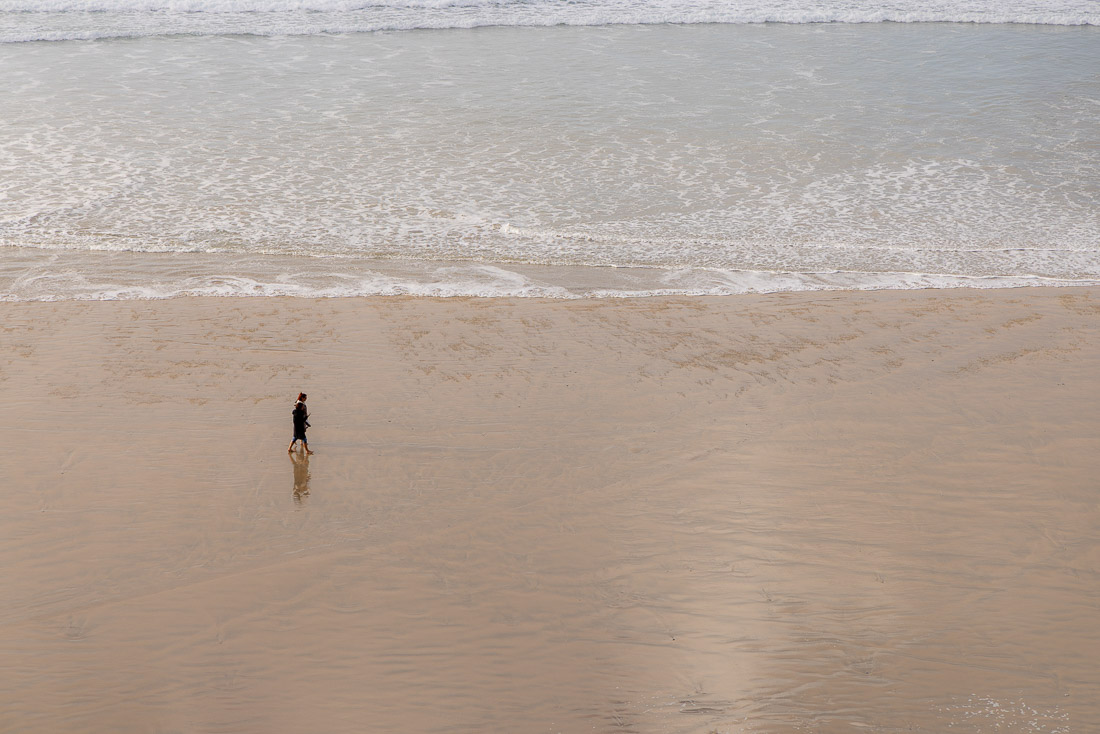
Travel photography often comes with an unspoken pressure. When you visit somewhere new, especially somewhere you might never return to, it can feel like you need to make the most of every moment. You want to see everything, photograph everything, and leave with images that justify the effort it took to get there. But sometimes that pressure can work against you. In trying to capture everything, you risk missing the experience of actually being there.
A recent walk along the Cornish coast reminded me of that in a way I hadn’t expected. What started as a simple wander turned into something much more reflective. It produced some of the best photographs I’ve taken in months, but more importantly, it made me think about where a photography style really comes from. It also changed the way I think about travelling with a camera, and how slowing down might actually lead to more meaningful photographs.
Listen to the Episode – Episode 01 (4th May 2026)
This article accompanies Episode 01 of the Stories Through the Shutter podcast, where I talk about how a simple photo walk along the Cornish coast unexpectedly revealed a new approach to travel photography.
The Idea of “Finding Your Style”
At some point, most photographers, including in travel photography start thinking about style. It’s a topic that appears everywhere: on YouTube channels, in photography blogs, and across social media. There’s always someone explaining how to develop a unique look, how to edit in a consistent way, or how to build a recognisable portfolio. Over time, all of that advice begins to accumulate in the background, and it can make you feel as though style is something you need to actively construct.
The difficulty with that approach is that it often pulls you away from your own instincts. Instead of responding naturally to what you see in front of you, you begin to photograph in ways that reflect what you’ve seen others doing. You might try to replicate certain compositions, editing techniques, or types of scenes because they appear to represent what good photography is supposed to look like.
The walk that inspired this episode challenged that idea. It suggested that perhaps style doesn’t come from adding more techniques or influences into your process. Instead, it might emerge when you simplify things enough that your natural way of seeing the world has room to appear.
A Photo Walk in Cornwall
The experience happened during a short family trip to Cornwall. It wasn’t a dedicated photography outing, and I hadn’t planned anything particularly ambitious. I simply took my camera along for a walk near Fistral Beach, with the vague intention of seeing what might catch my attention along the way.
Because the location was about five hours from home, there was always the temptation to treat it like a rare opportunity. When you travel that far, it’s easy to feel that you should maximise every photographic possibility. I could easily have packed several lenses, a tripod, filters, and anything else that might help capture the coastline in different ways. And I have done before. I even wrote an article about it!
Instead, this time, I decided to keep things simple. I took my Canon R5 and a single lens, and left everything else behind.
At the time, it didn’t feel like a particularly meaningful decision. It was mostly about convenience. But after the walk, I realised that the simplicity of that setup had quietly changed the way I approached the entire experience.
The Effect of Simplifying Your Gear
When you only have one camera and one lens, a surprising number of decisions disappear. There’s no temptation to constantly switch focal lengths, no wondering whether a different lens might produce a better composition, and no thought about setting up a tripod or attaching filters.
Without those choices occupying your attention, something else begins to happen. You start looking around more carefully. You begin to observe the environment rather than focusing on the equipment in your hands. This may happen intentionally, or in my case, by accident.
When editing photos from that walk, I noticed small scenes that I might otherwise have passed by without much thought. There was a solitary bench overlooking Goose Rock, quietly facing the sea. Further along the headland, a lone figure stood on the rocks watching the waves. Out in the water, surfers drifted slowly with the swell, rising and falling as the tide moved beneath them.


None of these moments were dramatic in the way that classic landscape photographs often are. They were quiet and understated, but they felt connected to the atmosphere of the place. Because I wasn’t rushing or constantly adjusting my camera setup, I seem to find the time to absorb those moments and think about how they might translate into photographs.
The Relationship Between Travel and Photography
The same idea applies to the way we travel. When visiting somewhere new, there is often a strong temptation to see as much as possible. It’s easy to create a list of locations, viewpoints, and attractions that you want to tick off before the trip ends. Before long, the days become tightly scheduled, and you move quickly from one place to the next.
Photography can sometimes intensify that pressure. If you’ve travelled a long distance to reach a particular location, you may feel that you need to capture it in the best possible way. That expectation can turn the experience into something quite structured and, at times, stressful.
I’ve certainly felt that before. There have been occasions when I’ve been standing in a beautiful place while simultaneously worrying about the time of sunset, the position of the sun, whether I’m in the right location, and whether I should move somewhere else before the light changes.
The irony is that the pressure to capture a once-in-a-lifetime moment can sometimes prevent you from truly experiencing it. You may leave with photographs that never quite reflect what you felt at the time, and with only a hazy memory of the place itself.
What Happens When You Stay in One Place
On this particular walk, I found myself doing something slightly unusual. Instead of continuing along the coast in search of new scenes, I stayed in the same area for much longer than I normally would.
That simple decision changed the entire experience.
Over time, the environment began to shift in subtle ways. The light moved slowly across the water, creating different tones and reflections. The tide continued its gradual movement, changing the rhythm of the waves against the rocks. People arrived and left, altering the character of the scene almost without notice.
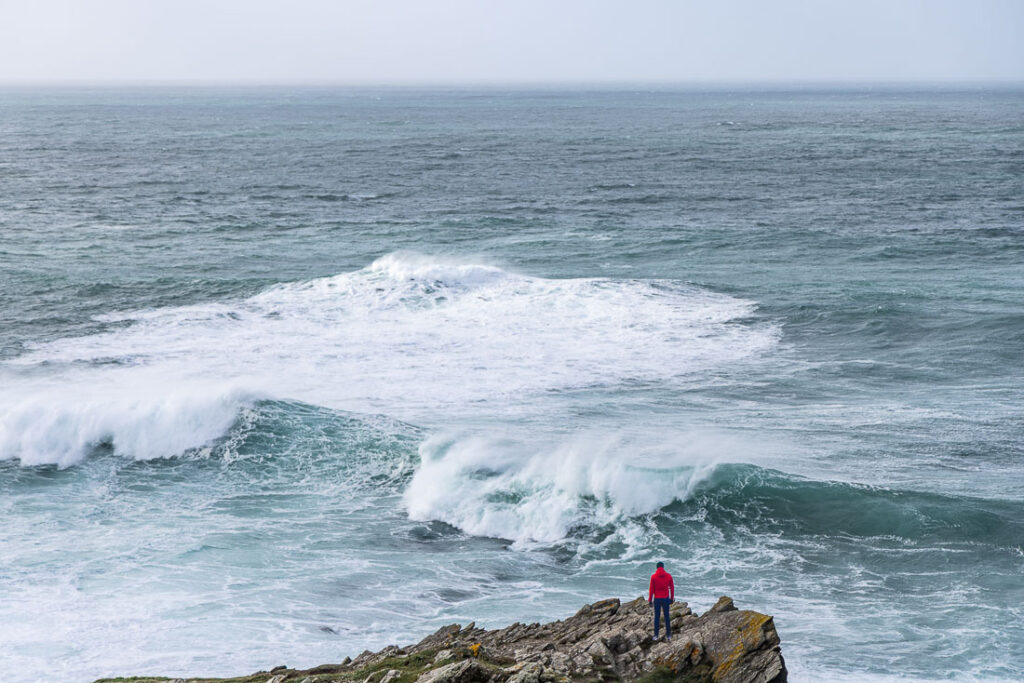
I was standing out on Towan headland, and I had just got a shot of a lone man standing on rocks overlooking the sea. The sea dominated shot, but the focal point was clearly the man in the bottom left hand corner.
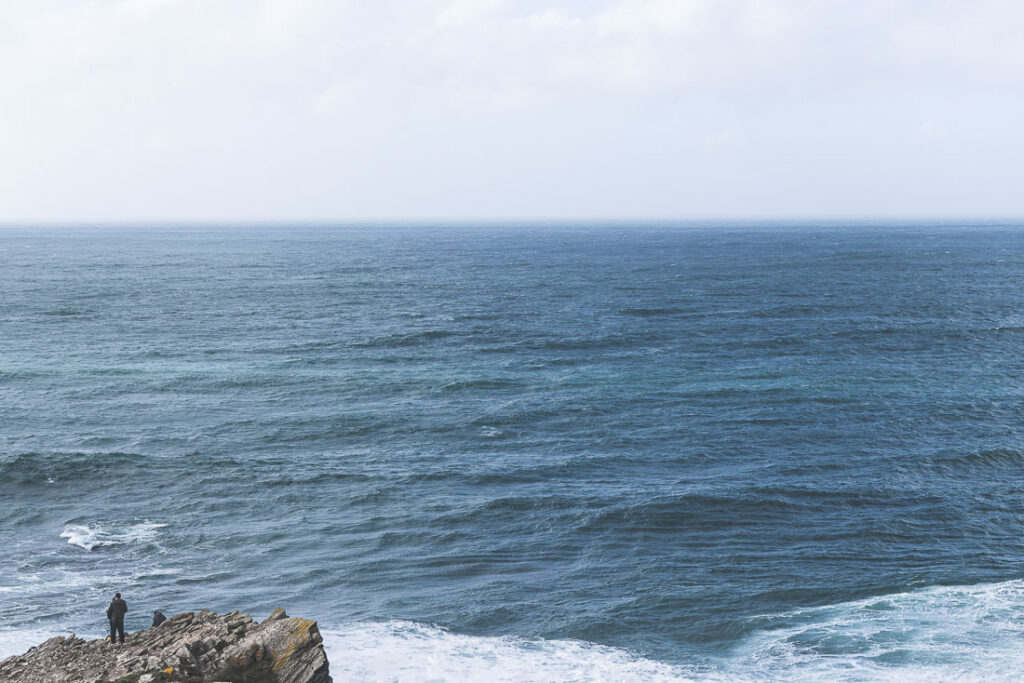
Happy with this shot, I looked around, and managed to find myself inside The Huer’s hut. Inside, looking back out the door I was able to frame up a nice photo of the Headland Hotel, and looking out of the window back down the coast, an atmospheric shot of Goose Rock through the mist and the lowering sun.
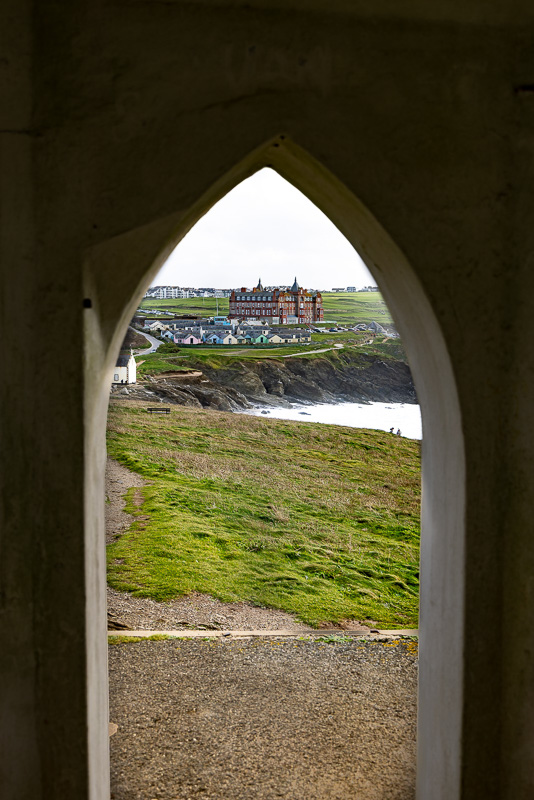
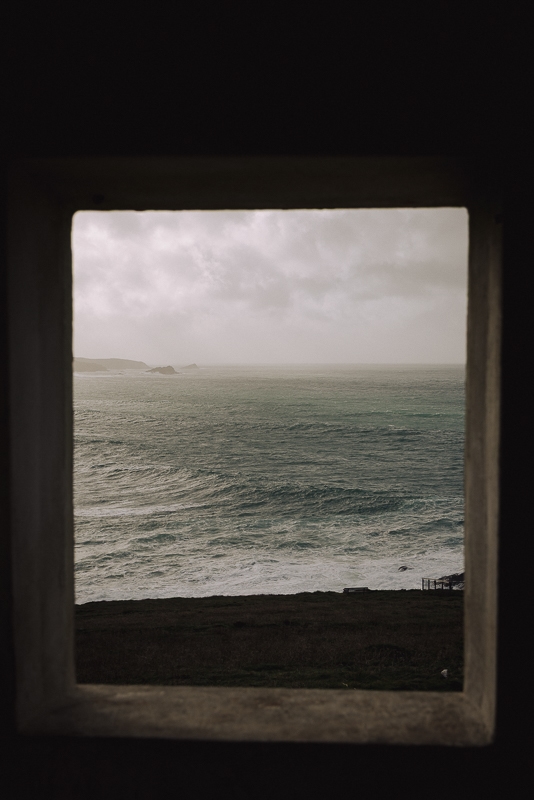
Later, I wandered back to the same spot. The man had gone, but another person had taken his place. This time they were wearing a bright red coat that stood out sharply against the blues and greys of the sea and sky. The change transformed the scene entirely, creating a stronger visual contrast and a more striking image.
Had I continued walking without returning, that second photograph would never have existed.
Recognising a Pattern in the Photos
It wasn’t until I was editing the images later that something interesting began to appear. As I looked through the photographs from the walk, I realised that many of them shared similar qualities.
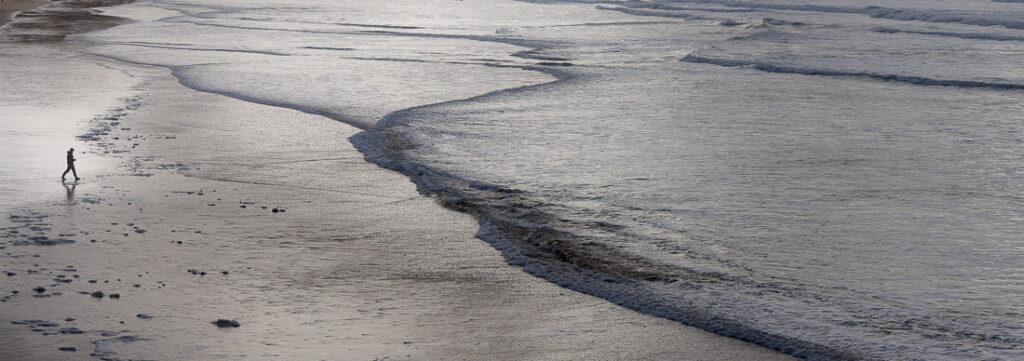
They tended to focus on quieter scenes rather than dramatic landscapes. They often contained large areas of negative space, with small elements placed carefully within the frame. There was a sense of calm and simplicity running through the images, almost as though they were capturing the stillness of the place rather than its spectacle.
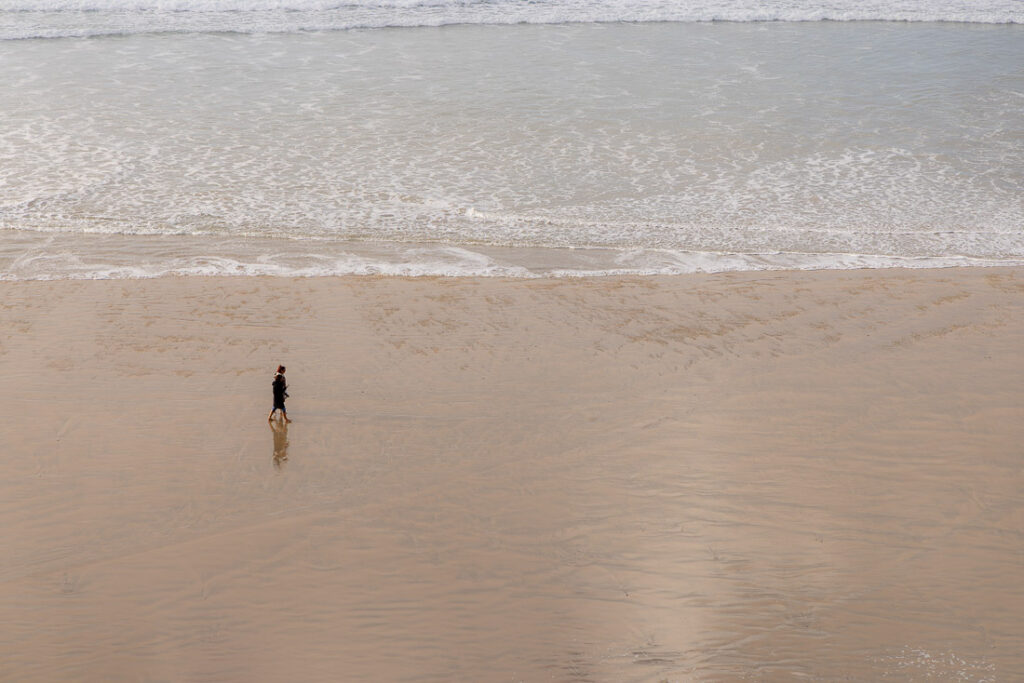
None of that had been planned in advance. I hadn’t set out with the intention of photographing in that way. It simply emerged from the way I responded to the environment once the distractions of gear and rushing between locations were removed.
That realisation made me rethink what photographic style actually means. Perhaps it isn’t something that can be deliberately designed. Instead, it may be something that reveals itself gradually when you allow your instincts to guide the process.
Letting Travel Photography Style Develop Naturally
Discovering that pattern brought another important thought with it. It would be very easy to take those photographs and decide that they represent a new style that I should now pursue deliberately. The temptation would be to go out on the next trip looking specifically for the same types of scenes and compositions.
But doing that might actually undermine the process that allowed those images to exist in the first place.
Style, when it’s genuine, evolves naturally over time. It appears through repeated experiences and the consistent way you respond to different environments. Trying to force it too early can make it feel artificial, as though you’re applying a template rather than responding authentically to what you see.
The real lesson from that walk wasn’t about adopting a particular style. It was about recognising the conditions that allowed it to appear.
A Simple Approach to Try Yourself
If there is one practical idea that came out of this experience, it’s the value of simplifying your approach to both travel and photography.
On your next outing, try taking less equipment than you normally would. Choose one camera and one lens, and see how that limitation affects the way you work. Instead of moving constantly between locations, spend more time in a single place and watch how it changes.
Observe how the light shifts, how people move through the environment, and how small details begin to reveal themselves when you allow enough time for them to appear.
You may find that the photographs you take feel more connected to the experience of being there.
Final Thoughts on finding your Travel Photography Style
Looking back, that walk along the Cornish coast wasn’t remarkable because of any single photograph. Its value came from what it revealed about the relationship between observation, travel, and creativity.
By simplifying the process, both in terms of equipment and expectations, it created space to see things more clearly. In that quieter approach, photography became less about technique and more about awareness.
And perhaps that is where style truly begins: not in the decisions we make before pressing the shutter, but in the moments when we slow down enough to notice what naturally draws our attention.